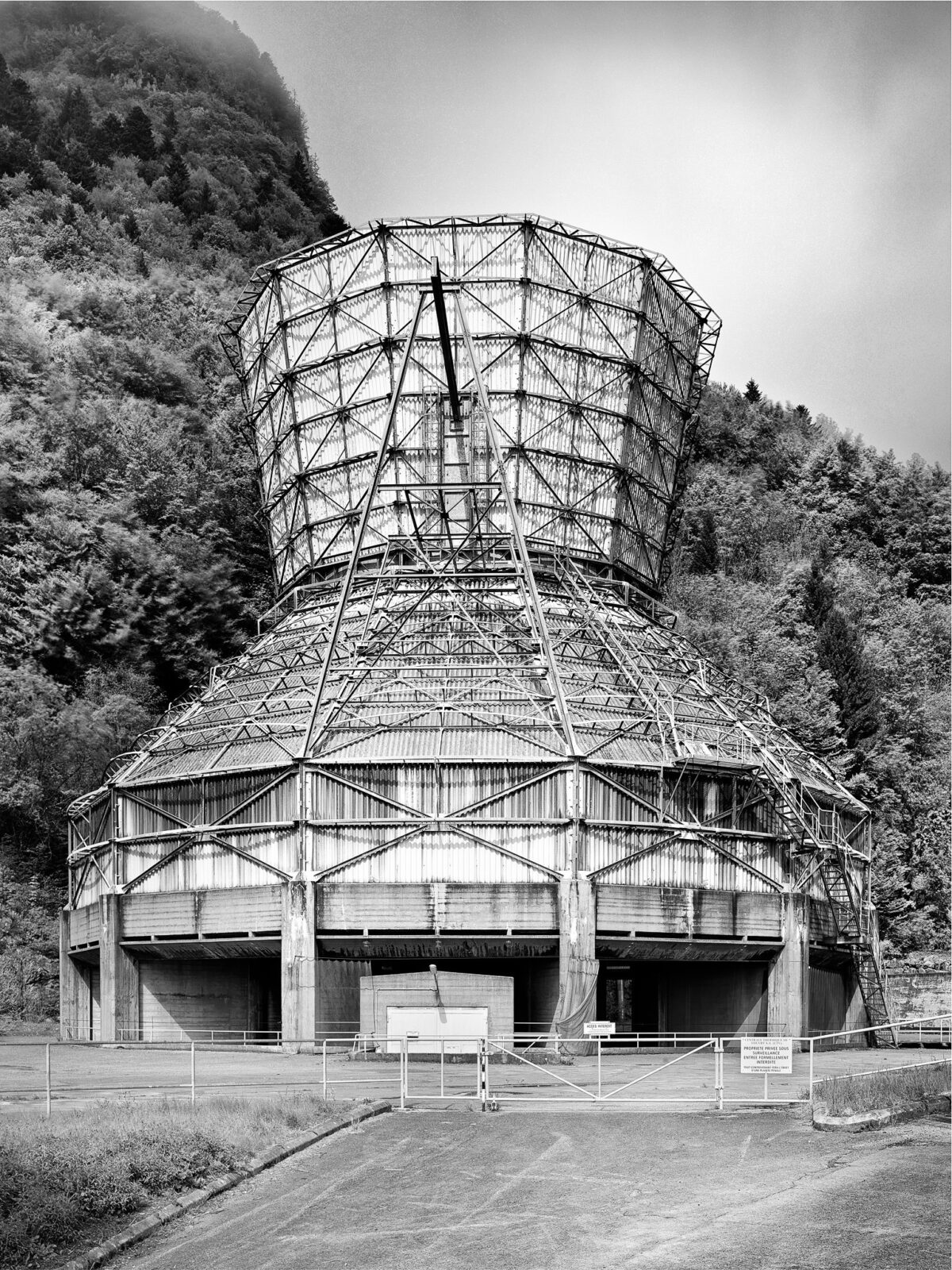
In front of the gate, a small group of alpacas grazed undisturbed. Behind it, a man was working. He turned out to be the caretaker of the site, and he became the first in a chain of connections that would eventually open the doors of Switzerland’s first and only crude-oil thermal power station to us.
History: From Energy Hub to Silence
The Chavalon power plant sits at 825 metres above Vouvry in the Swiss canton of Valais. Constructed in the late 1950s using crude oil from the neighbouring refinery, it was strategically positioned above the valley to minimise emissions in the settlements below. It generated its first kilowatt-hour in September 1965. By 1999, ageing technology and declining profitability had led to its closure. Plans to build a gas-fired replacement were abandoned due to environmental regulations and local objections, leaving the site unchanged, silent, in a kind of suspended state.
The facility consists of the main power station building and a 120-metre chimney. Four reduced-size cooling towers limit the visual impact on the landscape. The purpose-built workers’ housing nearby still stands.
Opening the Gates
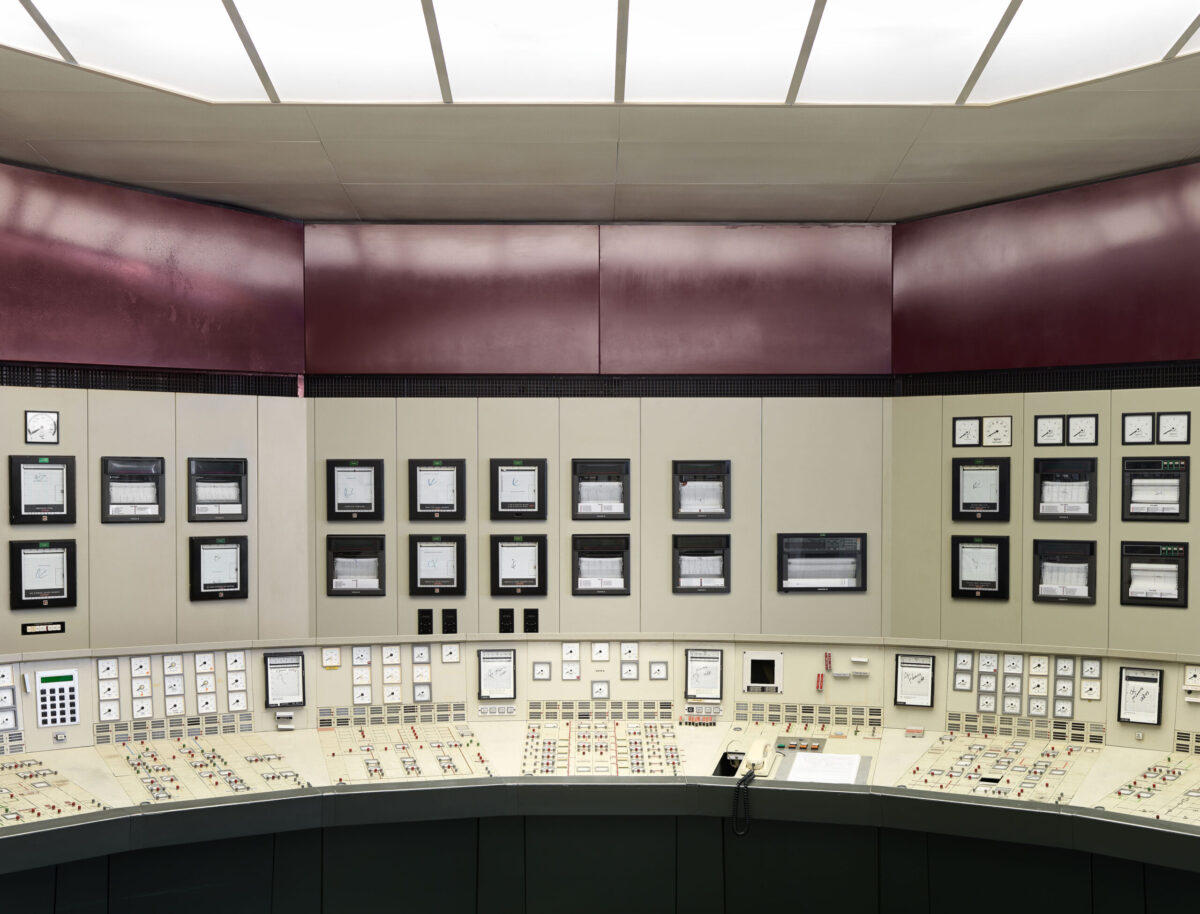
The caretaker had worked at the plant during its operating years. He knew who to call. Through him, we made contact with the people responsible for the site and, after further discussions, were given access. What we found inside was extraordinary.
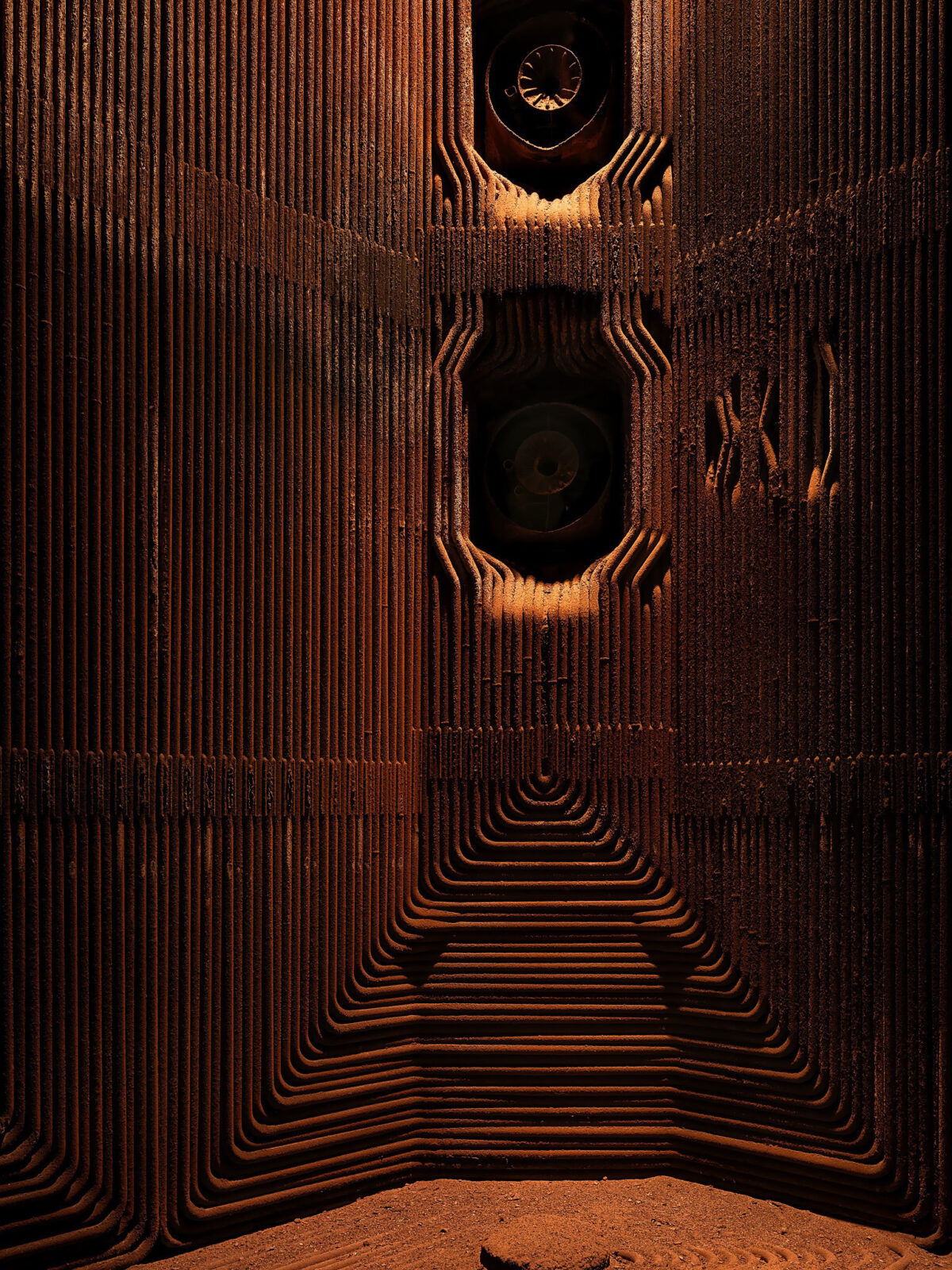
We stood in the 45-metre high furnaces where 16 tons of heavy fuel burned per hour at temperatures reaching 1500°C. Scattered files, dusty machine parts, tools left mid-task: the place had the feel of something interrupted rather than dismantled. The combustion chamber, heart of the plant, had the proportions of a cathedral. The control room resembled the command bridge of a spacecraft. Every room revealed something about what it meant to operate a machine of this scale.
The People Who Ran It
The caretaker also connected us with former employees of the plant. Most of them still had their work clothes at home. They agreed to put them on again and be photographed.
These portraits sit alongside the architectural images in the series not as documentary evidence but as something closer to memory made visible. The people we met carried the pride of that work with them, independent of how history has since judged the plant’s environmental record. That tension is part of what CHAVALON is about.
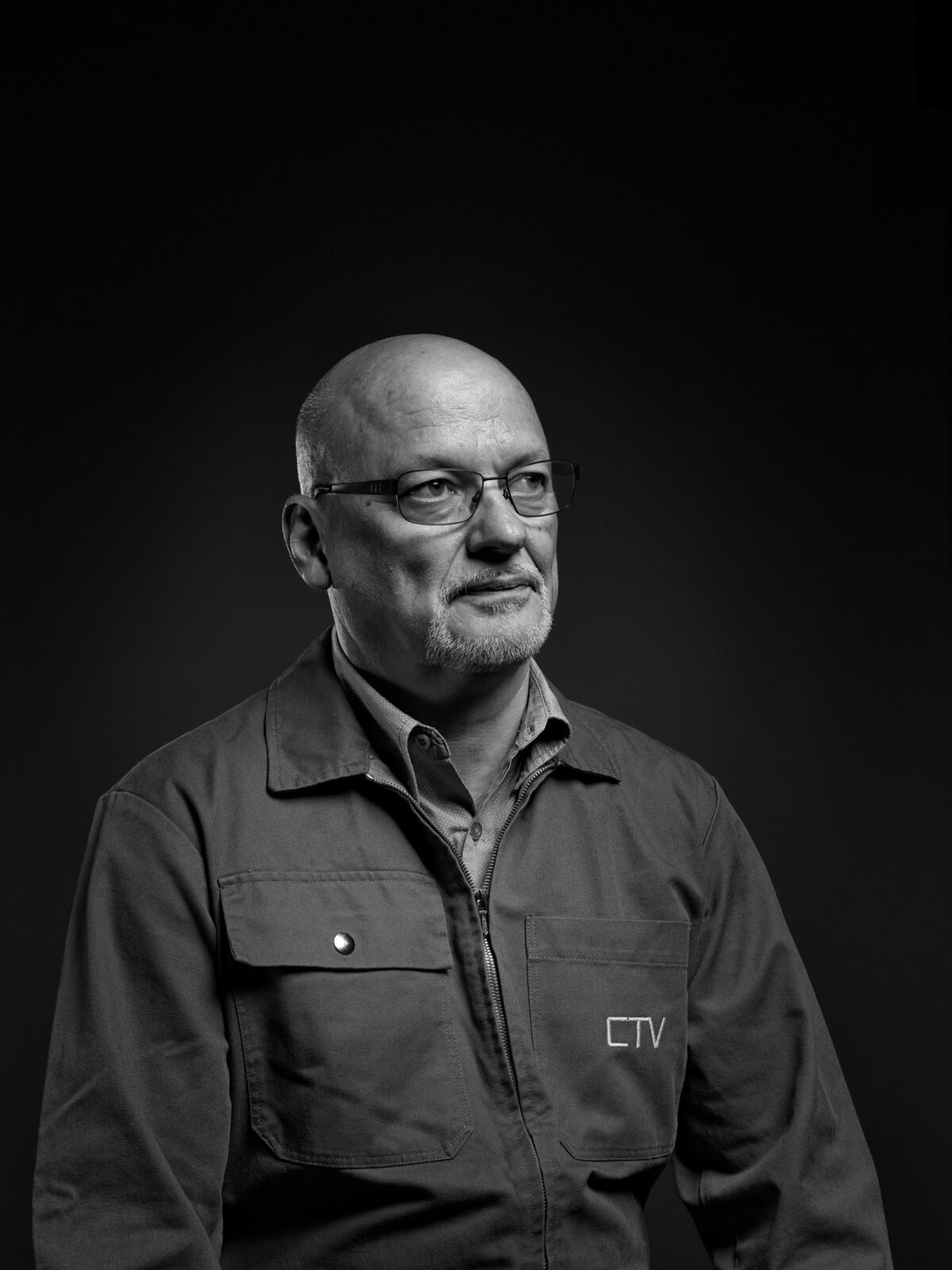
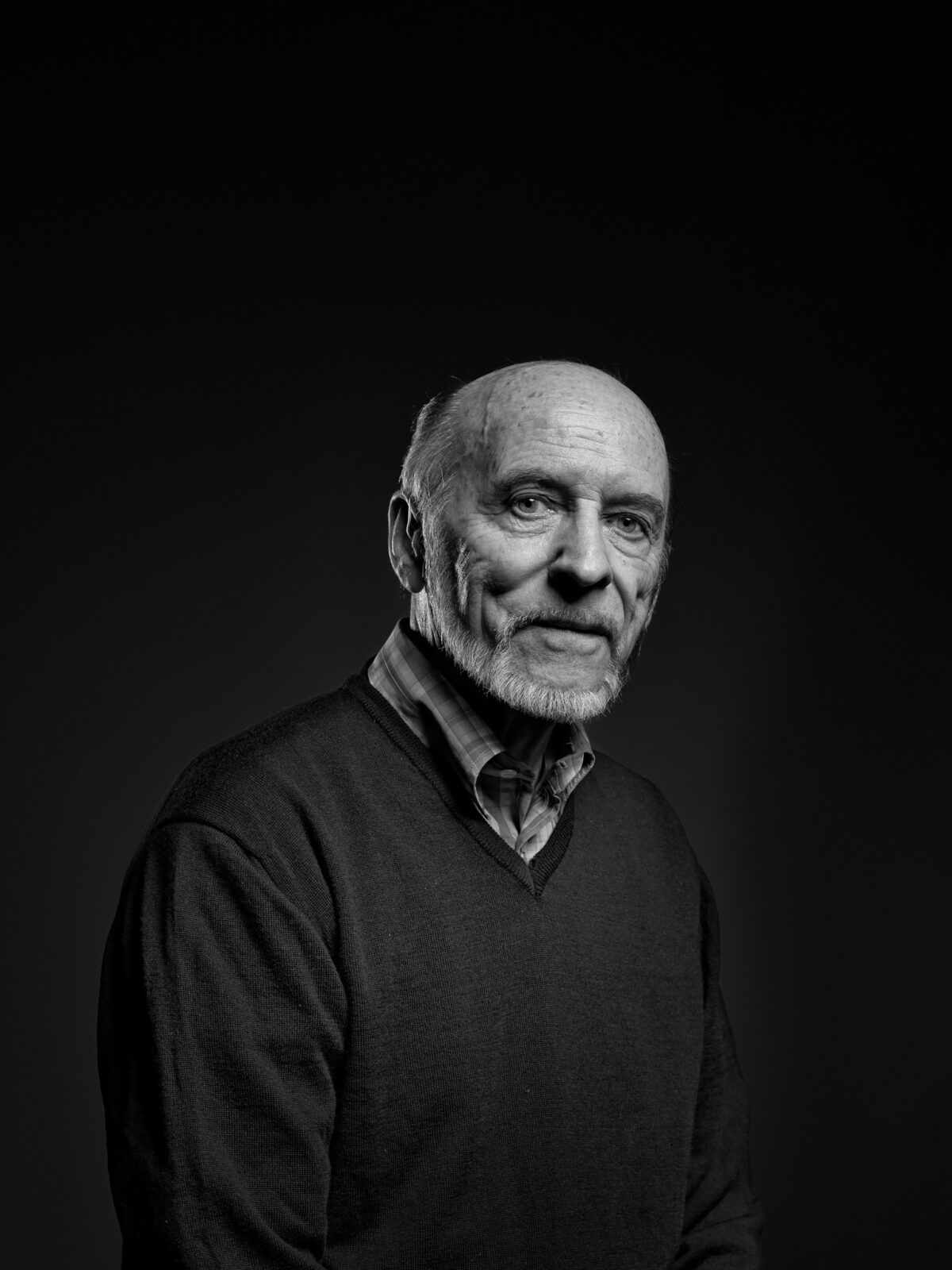
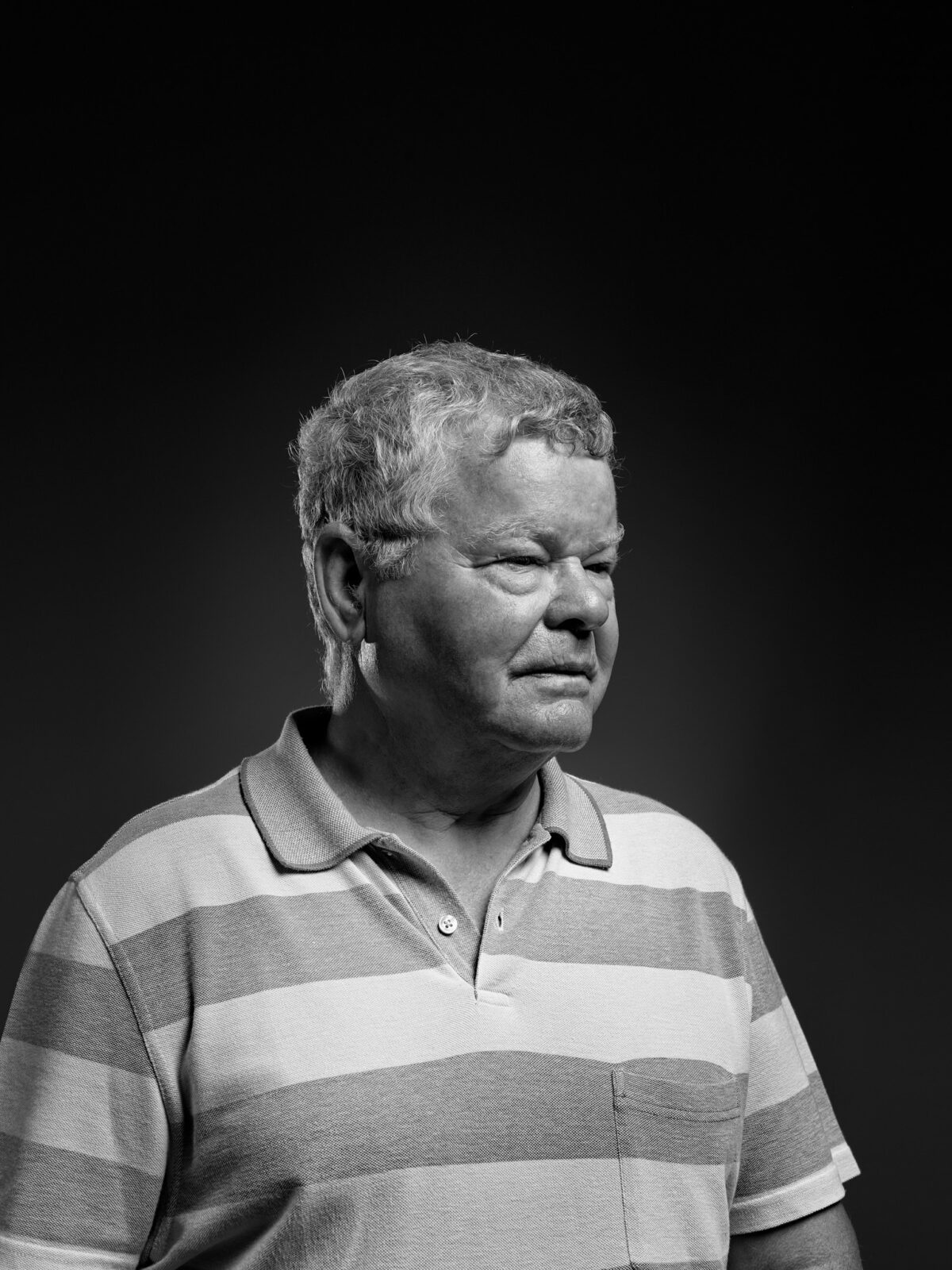
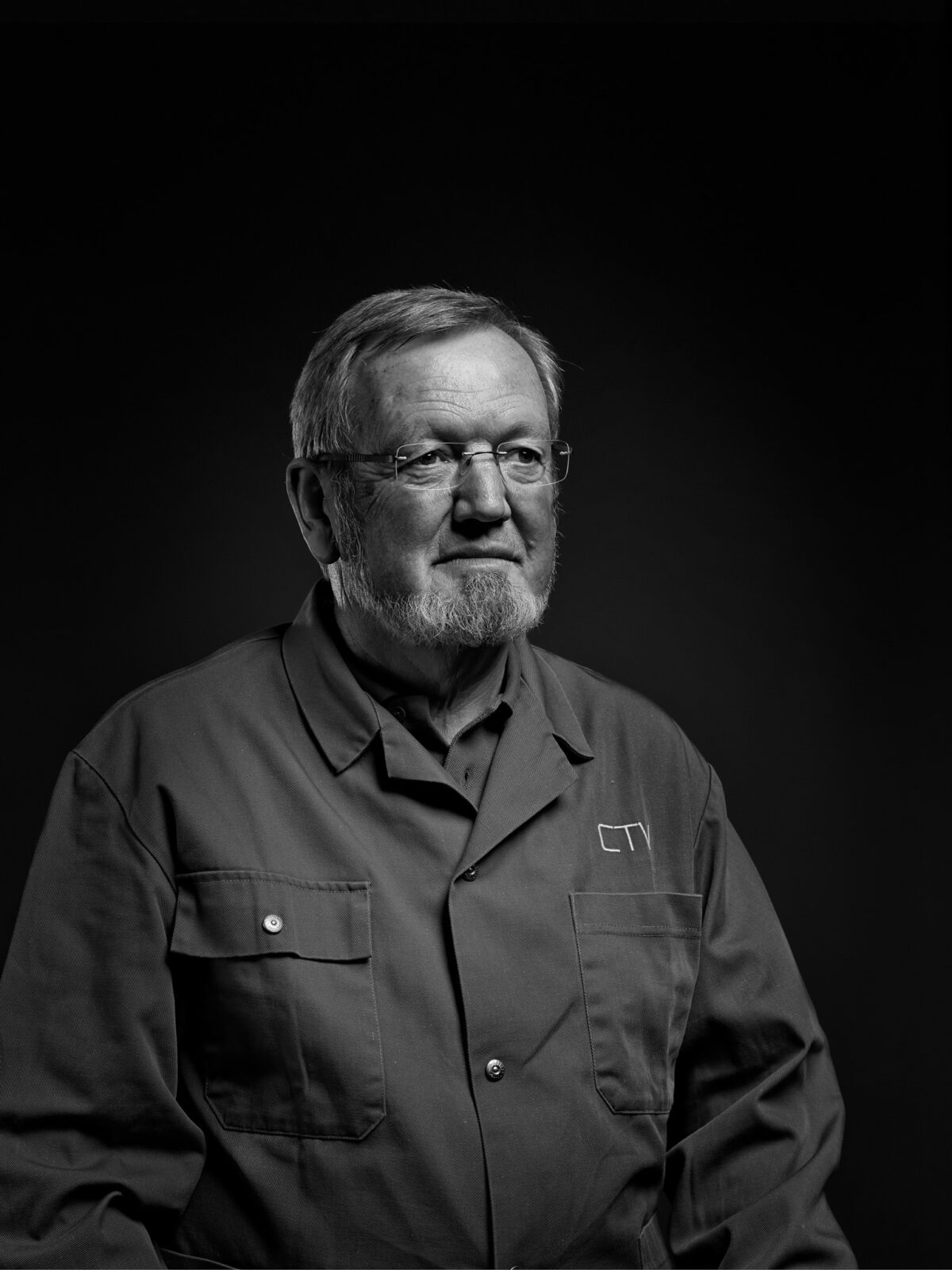
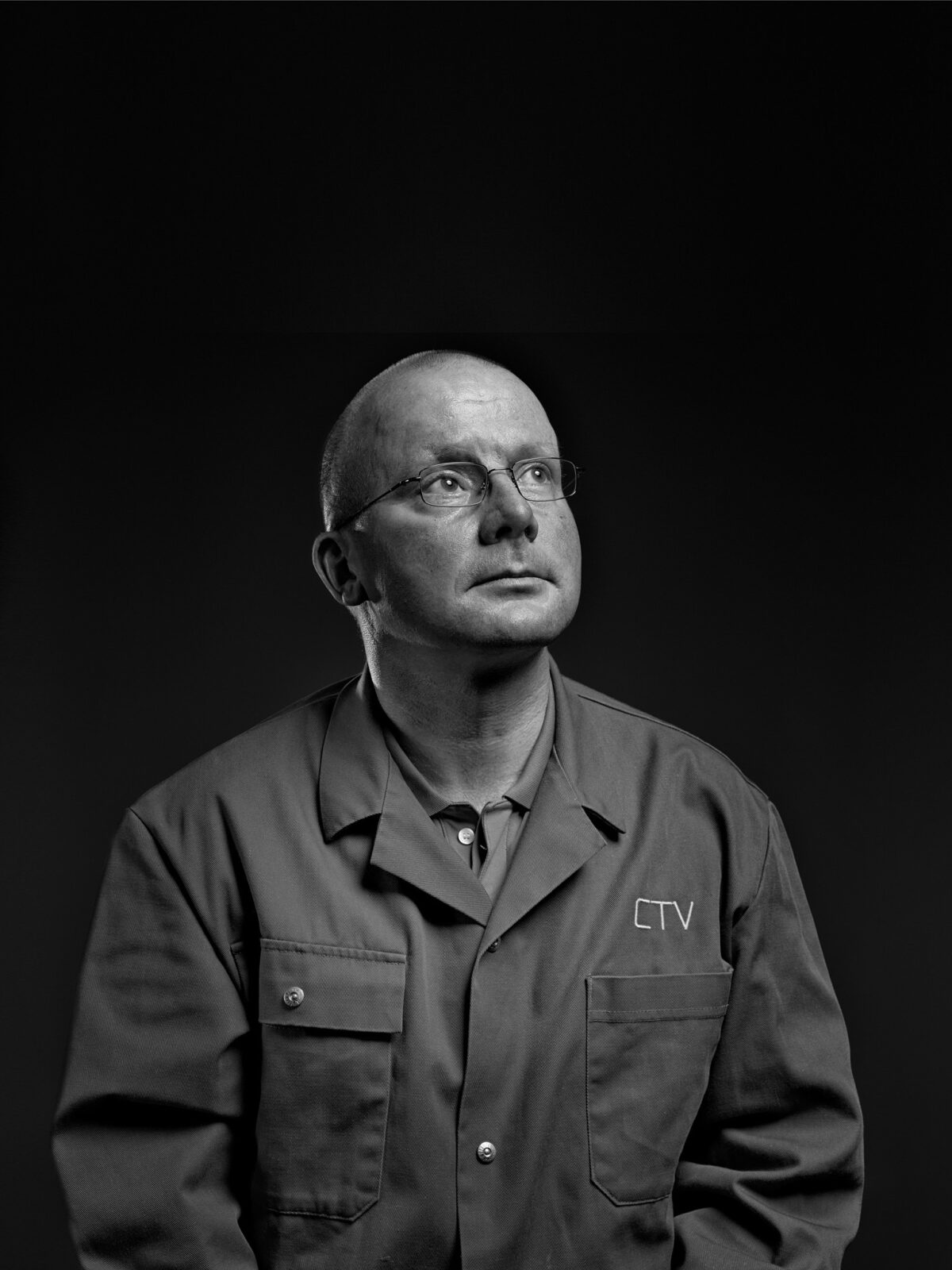
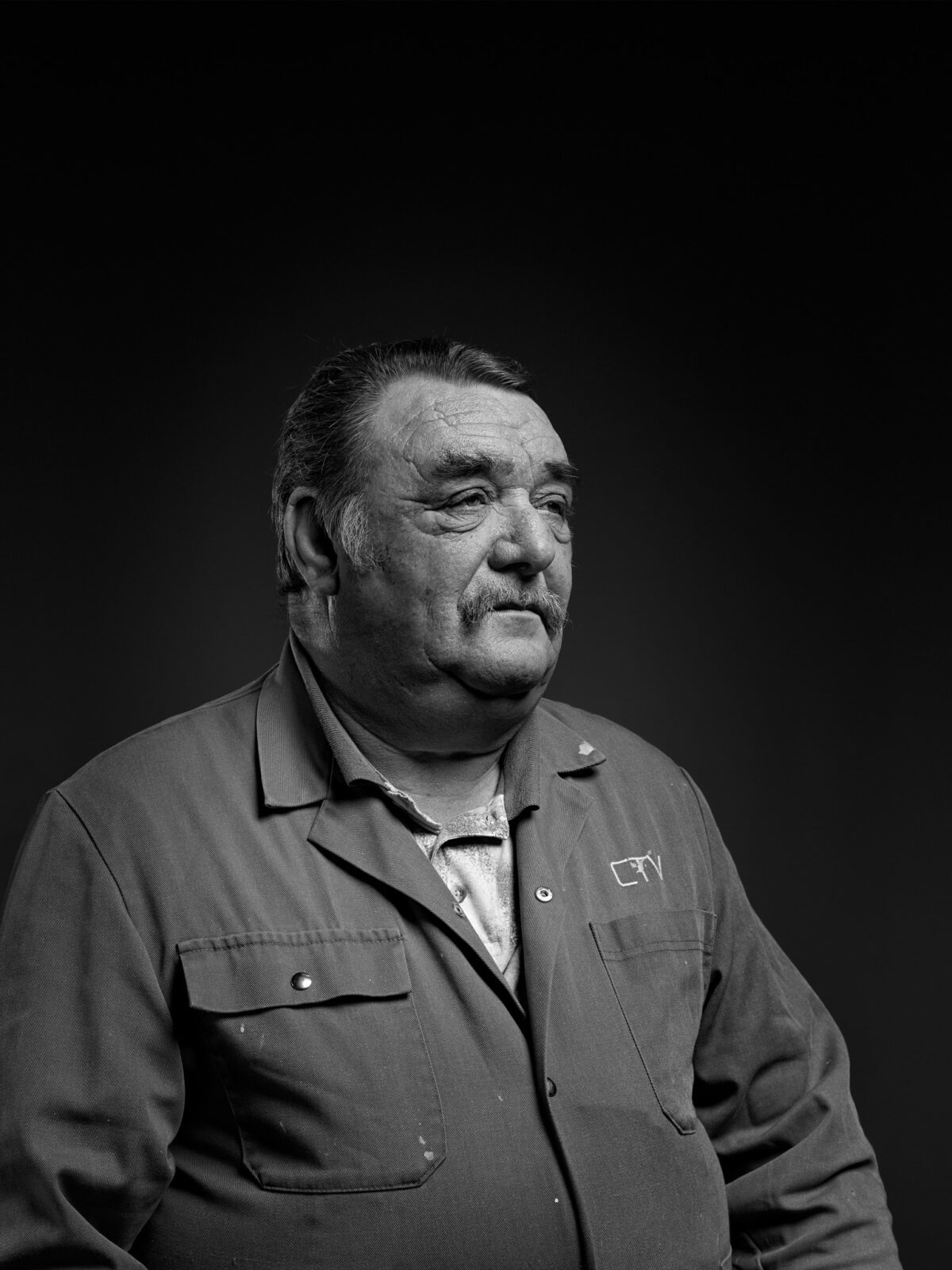
The plant's former employees
Industrial Memory and Transitional Spaces
All of us depend on electricity, whatever its source. That dependence is what gave the project its weight while we worked on it, and it has not gone away. CHAVALON captures a site in transition. It has since been designated as a test facility for satellite engine development. Its provisional state continues, just in a new form.
Vouvry Comes to Zurich
When we showed CHAVALON at Widmer+Theodoridis contemporary in Zurich, half the village of Vouvry made the trip to see it. The city was at its best that day. We served wine from the region, and the former workers stood in front of their own portraits with a pride that needed no explanation.
Reflection 2026
Since our initial work on CHAVALON, electricity demand has continued to rise. Electric vehicles, expanding digital infrastructure, energy-intensive consumption at every level: the questions the project poses have only grown more pressing.
The images were made at a specific moment in an ongoing story. They remain there, fixed in that moment, while the story continues around them.
Exhibitions
CHAVALON has been shown in international contemporary art contexts:
BACK TO ATHENS 9
widmertheodoridis, Athens, Greece
Group Exhibition, June 29–July 3, 2022
THE WORLD IS NOT ENOUGH
widmertheodoridis, Eschlikon, Switzerland
Group Exhibition, May 13–July 1, 2017
ICONIC GEOGRAPHY, WORKS 2005–2015
Anteprima D’Arte Contemporanea, Rome, Italy
Solo Exhibition, Feb 25–May 5, 2015
CHAVALON
Widmer+Theodoridis contemporary, Zurich, Switzerland
Solo Exhibition, Aug 26–Oct 8, 2011
CHAVALON
VOLTA contemporary art week, Basel, Switzerland
Group Exhibition, June 13–18, 2011
All motifs are available to browse in the gallery.
CHAVALON is available as a printed book and as limited edition fine art prints, each produced to archival standards with a certificate of authenticity. For editions, formats, and pricing, write to Andreana directly.
To stay informed about new journal entries and projects, subscribe to our newsletter.